Appetizers · Est. net carbs: ~1g per egg (two halves, estimate) · Makes: 12 halves (6 eggs)
Deviled Eggs (The Regular Way — Because They're Already Low-Carb)
Classic deviled eggs, made the way they've always been made — eggs, mayo, mustard, a splash of vinegar. Nobody had to fix this recipe. It was never broken: about a gram of carbs per egg.
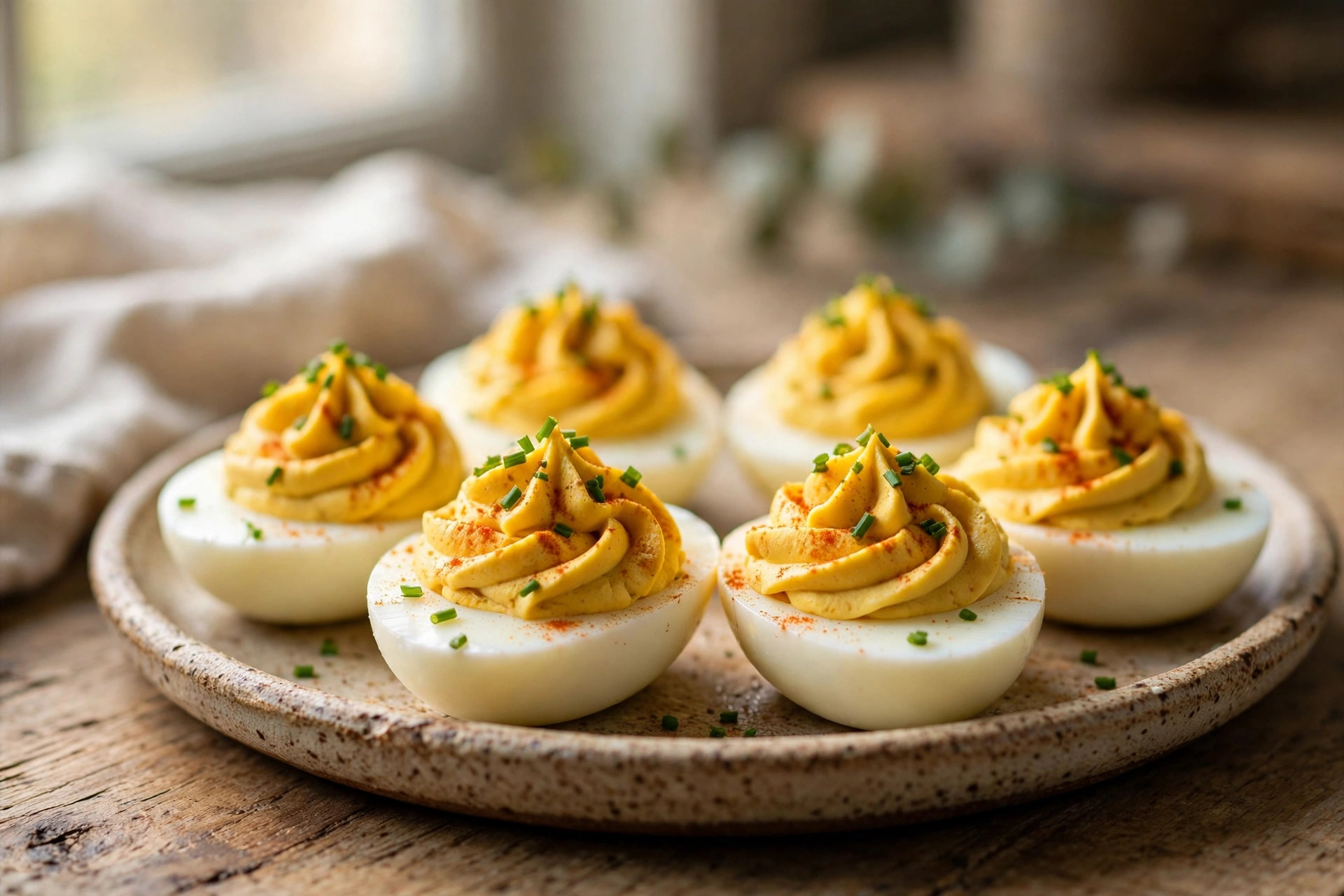
Image: AI-generated. LoCarb recipe pages use AI product images — see the note at the bottom of this page.
What you're saving: the regular version of this dish runs about ~1g per egg. This version: ~1g per egg (two halves, estimate). Both figures are estimates — ours from the ingredients' published data, the classic's from standard label and reference values for the traditional dish.
Ingredients
- 6 large eggs
- 3 Tbsp mayonnaise (the real kind)
- 1 tsp yellow mustard (Dijon if that's your house)
- 1 tsp white vinegar or pickle brine
- Salt and black pepper, to taste
- Paprika, for the top — smoked if you have it
- Optional: a dash of hot sauce in the filling, or finely minced dill pickle
How to make it
Some recipes on this site are rescues. This one is a recognition. Deviled eggs have been sitting on holiday tables for a hundred years, and the whole time — made the regular way, with real mayonnaise and no apologies — they’ve run about a gram of carbs per egg. Nobody lightened them, nobody swapped anything, nobody needed to. They were already ours.
- Boil the eggs. Put the eggs in a pot, cover with cold water by an inch, bring to a boil, then take the pot off the heat, cover it, and let them sit 10–12 minutes. Cold water over them to stop the cooking. (Older eggs peel easier — this is the one time the back of the fridge wins.)
- Peel and halve. Peel under running water, cut lengthwise, and pop the yolks into a bowl. Set the whites on the serving plate.
- Mash the filling. Mash the yolks with a fork, then stir in the mayonnaise, mustard, vinegar or brine, salt, and pepper until smooth. Taste it — the filling should be a little bolder than you think, because the white is a blank slate.
- Fill. Spoon the filling back into the whites, or pipe it from a zip bag with the corner snipped if company is coming.
- Finish. A dusting of paprika over the top. Chill at least 30 minutes before serving — they’re better cold, and they hold up on the table while everything else finishes cooking.
Storage: covered, in the fridge, up to 2 days. They’re at their best the day they’re made.
Troubleshooting: green ring on the yolks → the eggs cooked too long; the off-heat method above prevents it. Runny filling → too much mayo; mash in an extra yolk if you have one, or a pinch more mustard and salt to firm up the flavor while you scale the mayo back next time. Filling too bland → it’s almost always salt or acid; add a splash more vinegar before anything else.
Serve them first, while the turkey rests. Watch them disappear at exactly the speed they always have.
The honest trade-off
The way I do it
The classic, unchanged. Real mayonnaise, mustard, vinegar — that's the recipe your grandmother made, and it lands at about a gram of carbs per egg. This page exists to point at it, not to improve it.
Even lower carb
There isn't one worth making. The only trap is sweet pickle relish, which sneaks sugar into an innocent food — use dill relish or minced dill pickle instead and nothing changes.
What it costs: Nothing. That's the whole point of the Already Low-Carb shelf: some of the best food at the table never needed rescuing.
Nutrition estimate
Estimated net carbs: ~1g per egg (two halves, estimate). That's an estimate built from the ingredient manufacturers' published data — not a lab-tested nutrition panel.
Made with the LoCarb mix? When the mixes launch, they'll be right here.
Nutrition note: carb figures on this page are estimates derived from data published by the manufacturers of the ingredients used. Brands and substitutions change the numbers — check your own ingredients and do your own research for exact counts.
Image note: the recipe images on this site are AI-generated product images, created to show you the dish — they are not photographs of a finished plate. Every recipe here is a real formulation from our test kitchen notes; when we publish photos from an actual test cook, they'll be labeled as such.