Side Dishes · Est. net carbs: ~9g per serving (estimate) · Makes: 12 servings
Low-Carb Stuffing (Built on a Bread That Behaves)
Real Thanksgiving stuffing — butter, sage, onion, celery, crisp top, soft middle — built on a loaf of Schmidt 647 instead of regular bread. About 9 grams a serving instead of 22, and nobody at the table will clock the difference.
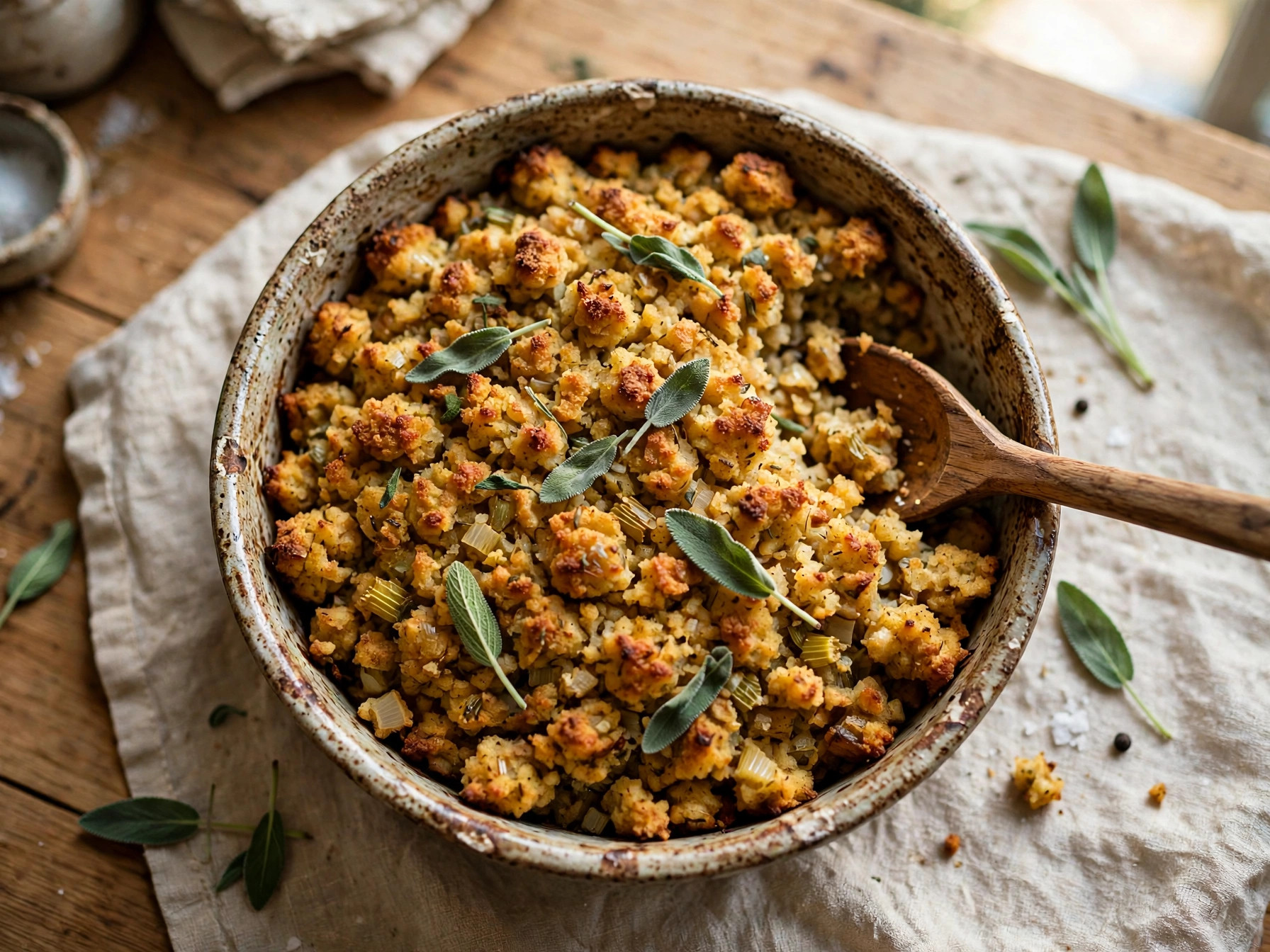
Image: AI-generated. LoCarb recipe pages use AI product images — see the note at the bottom of this page.
What you're saving: the regular version of this dish runs about ~22g per serving. This version: ~9g per serving (estimate). Both figures are estimates — ours from the ingredients' published data, the classic's from standard label and reference values for the traditional dish.
Ingredients
- 1 loaf Schmidt 647 bread — Italian or wheat (about 16 slices)
- 6 Tbsp butter, plus a little for the dish
- 1 large onion, diced
- 3 celery stalks, diced (leaves too, if yours has them — they're flavor)
- 2 cloves garlic, minced (optional)
- 1 Tbsp fresh sage, chopped (or 1 1/2 tsp dried)
- 1 tsp fresh thyme leaves (or 1/2 tsp dried)
- 1/4 cup fresh parsley, chopped (or 1 Tbsp dried)
- 1 1/2 to 2 cups turkey or chicken stock
- 1 large egg, beaten
- 3/4 tsp kosher salt
- 1/2 tsp black pepper
How to make it
Stuffing is the dish people assume dies first on a low-carb table, because stuffing is bread and bread is carbs. But read that sentence again: the problem was never the stuffing. It’s the loaf. A slice of regular sandwich bread runs 12–14 grams; a slice of Schmidt 647 runs about 6, and it eats like bread because it is bread — same wheat, with resistant starch and fiber doing the quiet work. Swap the loaf and change nothing else, and the most traditional dish on the table lands at about 9 grams a serving. This is that recipe: your grandmother’s method, a better loaf.
- Dry the bread. Cut the loaf into 3/4-inch cubes (crusts on — they’re flavor and structure). Spread on a sheet pan and dry at 300°F for 25–30 minutes, tossing once, until crisp at the edges but not browned. (Or cube it the day before and leave it out overnight. Stale is the goal; color is not.)
- Cook the vegetables. Melt the butter in a large skillet over medium heat. Add the onion and celery with a pinch of the salt and cook 8–10 minutes, until soft and sweet and just starting to color at the edges. Add the garlic for the last 30 seconds, then the sage, thyme, and parsley for another 30 — the herbs blooming in butter is the smell of Thanksgiving starting.
- Combine. Tip the bread cubes into your largest bowl. Scrape the vegetables and every drop of butter over them and toss. Pour the beaten egg over and toss again.
- Moisten — gradually. Add the stock a half-cup at a time, tossing between additions. This bread is thirsty (the fiber drinks), so you may use the full 2 cups — but stop when the cubes are moist throughout and just hold together when squeezed, not when they’re swimming. Season with the salt and pepper and taste a cube; it should taste like stuffing already.
- Bake. Pack loosely into a buttered 9×13 dish — loosely, or you’ll get a brick. Cover with foil and bake at 350°F for 30 minutes. Uncover and bake 15–20 minutes more, until the top is crisp and deep golden at the edges and the middle is set and steaming.
- Rest. Ten minutes on the counter. Stuffing cut too early is stuffing soup; rested, it slices and scoops like it should.
Sausage variation: brown 1/2 lb of breakfast or Italian sausage, crumble it into the vegetables, and cut the butter to 4 Tbsp. The carb count barely moves; the table splits into factions.
Make ahead: dry the cubes and cook the vegetables a day ahead; combine, moisten, and bake on the day. (At a rehearsal or on Thanksgiving, the covered bake holds beautifully while the turkey rests — that’s its traditional slot in the oven queue anyway.)
Storage: leftovers keep 4 days in the fridge. Reheat covered at 350°F with a spoonful of stock over the top, or crisp scoops in a skillet in butter — leftover stuffing fried in butter is arguably better than the original event.
Troubleshooting: dry stuffing → your loaf drank more than expected; drizzle warm stock over and rest 5 minutes. Soggy stuffing → too much stock at once, or packed too tight; bake uncovered 10 minutes longer and pack looser next time. Bland → stuffing needs salt more than it needs herbs; season the vegetables properly and taste a cube before the bake.
The honest trade-off
The way I do it
The loaf swap does nearly all the work. A slice of 647 runs about 6g net where regular sandwich bread runs 12-14g, and stuffing is mostly bread — so the dish lands around 9g a serving instead of 22 without touching the butter, the sage, or the method. Everything your grandmother did, we still do. The bread is the only confession.
Even lower carb
Stretch the loaf with 8 oz of finely diced mushrooms cooked down hard in the butter — a classic stuffing ingredient, not a costume. Buys the same pan about a gram less per serving and adds depth.
What it costs: Stuffing is bread; there's a floor under this dish and it's the loaf itself. Nine grams is what honest stuffing costs on a bread that behaves. Anyone promising you 2-gram stuffing is selling you seasoned cauliflower, and you can tell.
Nutrition estimate
Estimated net carbs: ~9g per serving (estimate). That's an estimate built from the ingredient manufacturers' published data — not a lab-tested nutrition panel.
Made with the LoCarb mix? When the mixes launch, they'll be right here.
Nutrition note: carb figures on this page are estimates derived from data published by the manufacturers of the ingredients used. Brands and substitutions change the numbers — check your own ingredients and do your own research for exact counts.
Image note: the recipe images on this site are AI-generated product images, created to show you the dish — they are not photographs of a finished plate. Every recipe here is a real formulation from our test kitchen notes; when we publish photos from an actual test cook, they'll be labeled as such.