Side Dishes · Est. net carbs: ~20g per serving (estimate — nearly all of it the sweet potato itself; the topping adds about 1g) · Makes: 8 servings
Low-Carb Sweet Potato Casserole (The Candied Part Was the Problem)
A sweet potato carries its own carbs and this page won't pretend otherwise — but the brown-sugar glaze and marshmallow blanket on top were 15-20 added grams. Off they come; an allulose pecan crumble goes on instead. About 20g a serving against 40-plus candied.
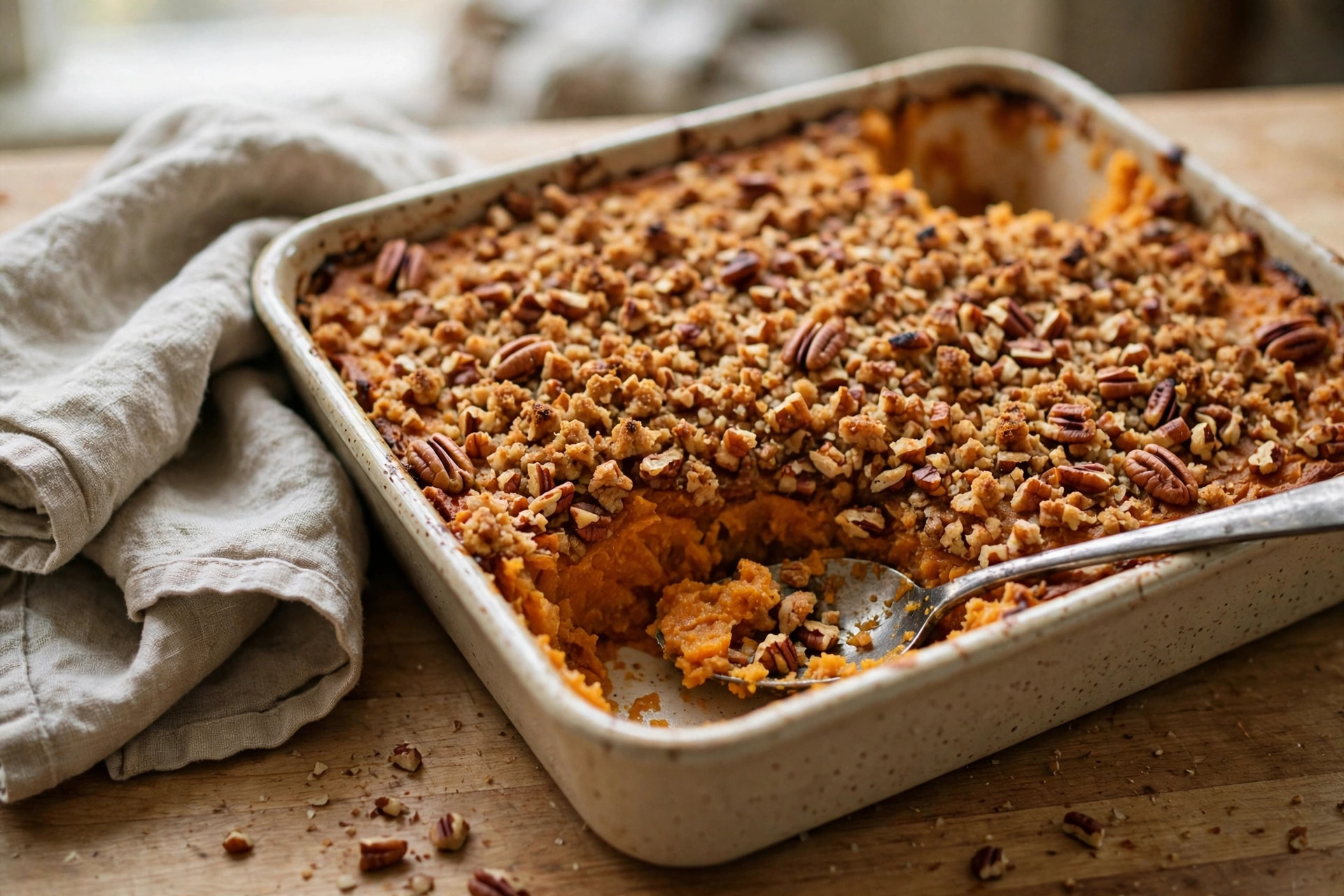
Image: AI-generated. LoCarb recipe pages use AI product images — see the note at the bottom of this page.
What you're saving: the regular version of this dish runs about ~40g+ per serving. This version: ~20g per serving (estimate — nearly all of it the sweet potato itself; the topping adds about 1g). Both figures are estimates — ours from the ingredients' published data, the classic's from standard label and reference values for the traditional dish.
Ingredients
- 3 lb sweet potatoes (about 4 medium), scrubbed
- 4 Tbsp butter, melted, plus more for the dish
- 1/4 cup granulated allulose
- 2 large eggs, beaten
- 1/4 cup heavy cream
- 1 tsp vanilla extract
- 1 tsp cinnamon
- 1/2 tsp fine salt
- For the crumble: 1 cup pecan halves, roughly chopped
- For the crumble: 3 Tbsp cold butter, cut small
- For the crumble: 3 Tbsp granulated allulose + 1 tsp molasses (the brown-sugar note)
- For the crumble: 2 Tbsp oat fiber (or 1 Tbsp flour — 3g for the whole topping)
How to make it
This is the most honest recipe on the Thanksgiving menu, so it starts with the honest part: a sweet potato is a sweet potato. A serving of this casserole runs about 20 grams of carbs, and nearly every one of them grew in the ground. Any “low-carb sweet potato” page that promises you single digits is selling something.
What a traditional sweet potato casserole adds on top of that honest 20 is the problem this recipe solves: a brown-sugar glaze worked through the mash and a marshmallow blanket melted over the top — 15 to 20 grams of pure added sugar that have nothing to do with the vegetable. The candied version lands at 40-plus a serving. This one takes the candy off and keeps the dish.
- Roast the sweet potatoes. Heat the oven to 400°F. Prick the potatoes, set them on a foil-lined sheet, and roast 45–55 minutes, until they collapse a little and a knife slides through with no fight. Roasting — not boiling — concentrates the sweetness, which is what lets the added sweetener stay modest. Cool until you can handle them.
- Make the mash. Scoop the flesh into a bowl (you should have about 4 cups) and mash with the melted butter, allulose, eggs, cream, vanilla, cinnamon, and salt until smooth. Taste it: it should read as a rich, spiced sweet potato — sweet, but like a vegetable, not a dessert. Spread into a buttered 2-quart baking dish.
- Make the crumble. Work the cold butter into the oat fiber with your fingers until it clumps, then toss with the pecans, allulose, and molasses. It will look like wet sand and gravel. That’s right.
- Top and bake. Scatter the crumble edge to edge. Bake at 350°F for 25–30 minutes, until the mash is set at the edges, the center just barely jiggles, and the pecans are deep golden. The allulose in the crumble browns like sugar — watch the last five minutes; it goes from golden to dark faster than a flour crumble does.
- Rest 10 minutes before serving. The mash firms up and the crumble sets its crunch.
Make ahead: assemble the mash in the dish on Wednesday, cover and refrigerate; keep the crumble separate in a bag. Top and bake on the day. (For the full stack of Thanksgiving timing, see the whole menu.)
The portion truth: this is a side dish, portioned like one — about 3/4 cup a serving. At that size it’s the richest-tasting 20 grams on the plate, and it earns its place next to a green bean casserole that runs 7. Thanksgiving math is plate math, and the plate is where this dinner wins.
The honest trade-off
The way I do it
Keep the sweet potato, remove the candy. The traditional casserole glazes the mash and blankets it in marshmallows — 15-20g of added sugar carbs riding on a vegetable that was already sweet. An allulose pecan crumble gives the same crunchy, brown-sugared top at about a gram.
Even lower carb
Split the mash half sweet potato, half cauliflower (steamed and squeezed dry). The flavor stays sweet-potato-forward and the serving drops toward ~13g — the same quiet-blend trick as the mashed potatoes.
What it costs: The sweet potato itself, and this page says so in the open: roughly 20g a serving is the vegetable's own carbs, and no swap removes them without removing the dish. This is a reduced-carb side, not a keto one — it belongs on the plate by portion, the way this site treats every honest vegetable.
Nutrition estimate
Estimated net carbs: ~20g per serving (estimate — nearly all of it the sweet potato itself; the topping adds about 1g). That's an estimate built from the ingredient manufacturers' published data — not a lab-tested nutrition panel.
Made with the LoCarb mix? When the mixes launch, they'll be right here.
Nutrition note: carb figures on this page are estimates derived from data published by the manufacturers of the ingredients used. Brands and substitutions change the numbers — check your own ingredients and do your own research for exact counts.
Image note: the recipe images on this site are AI-generated product images, created to show you the dish — they are not photographs of a finished plate. Every recipe here is a real formulation from our test kitchen notes; when we publish photos from an actual test cook, they'll be labeled as such.