Side Dishes · Est. net carbs: ~18g per cup (estimate — a standard cup runs 30-33g) · Makes: 8 servings (about 8 cups)
Make-Ahead Mashed Potatoes (The Cook-Chill Trick, Plus One Quiet Blend)
Real mashed potatoes — mostly potato, tasting like potato — with roughly half the effective carbs. The method: boil, chill overnight so some starch converts to digestion-resistant starch, blend in one quiet partner, and finish rich. Starting a day early is the Thanksgiving superpower anyway.
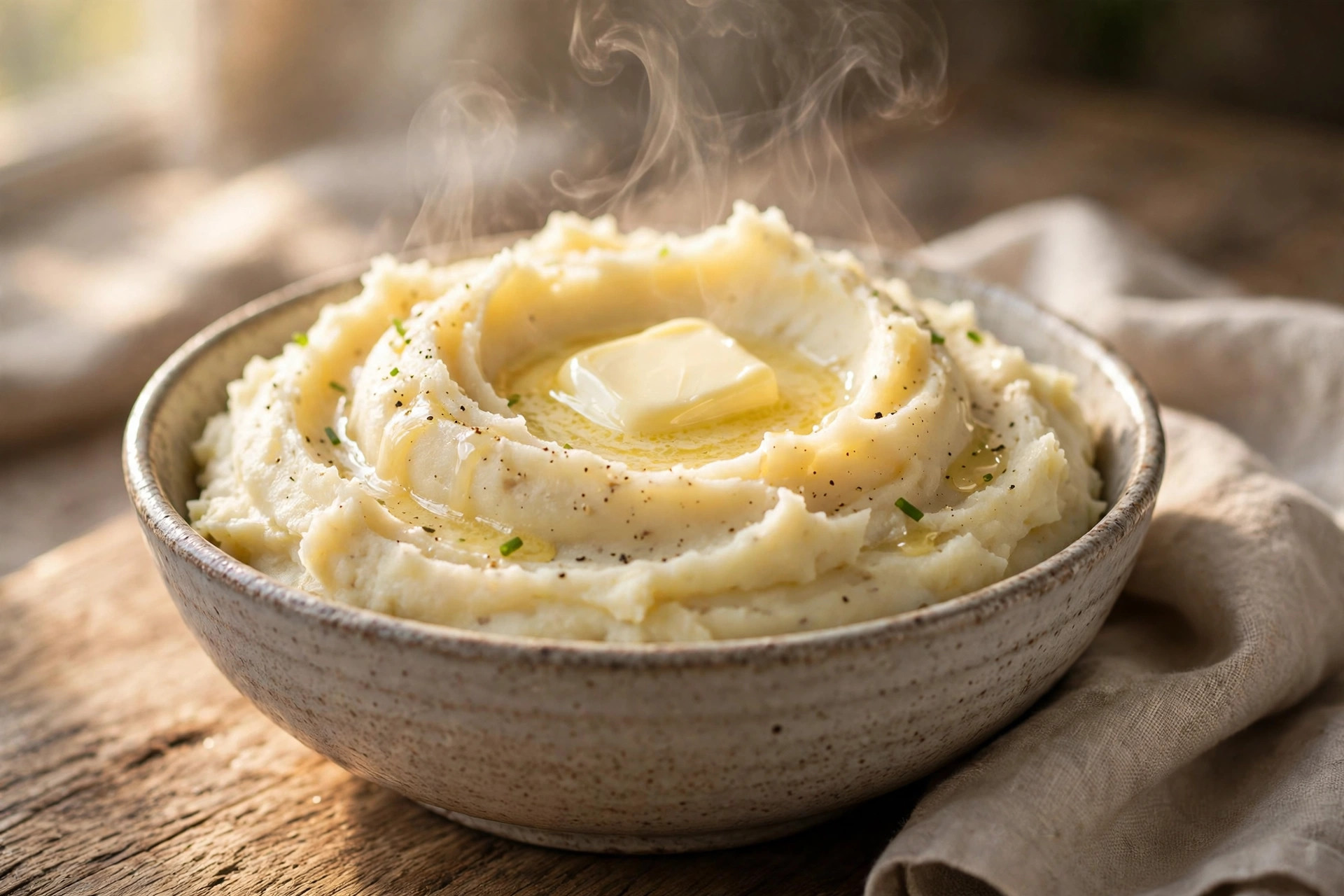
Image: AI-generated. LoCarb recipe pages use AI product images — see the note at the bottom of this page.
What you're saving: the regular version of this dish runs about ~33g per cup. This version: ~18g per cup (estimate — a standard cup runs 30-33g). Both figures are estimates — ours from the ingredients' published data, the classic's from standard label and reference values for the traditional dish.
Ingredients
- 2 lb waxy potatoes (red potatoes or Yukon Golds), scrubbed
- 1 small head cauliflower (about 1 lb florets)
- 4 Tbsp butter, plus more to finish
- 1/2 cup cream or half-and-half, warmed
- 2 cloves garlic, boiled with the cauliflower (optional)
- Salt — more than you think
- White or black pepper, and chives for the top
How to make it
Mashed potatoes were the hardest problem on this site, because mashed potatoes are starch — there is no version where cauliflower puts on a costume and we call it a day. So this recipe doesn’t cheat. It stacks three honest things instead: the right potato, a cooking trick with real science behind it, and one quiet partner ingredient handled properly.
The trick first, sized honestly: when cooked potatoes chill in the fridge, some of their starch re-crystallizes into what’s called resistant starch — starch your digestive enzymes can’t fully break down, so it behaves more like fiber. Chilled potatoes carry about 40% more of it than hot ones, and in the careful trials, insulin response dropped meaningfully even where the total blood-sugar curve didn’t move much. On its own that’s worth maybe 10–20%. Worth having — not magic. The rest of the cut comes from the blend and the finish, below.
The day before:
- Boil the potatoes whole, in their skins, in well-salted water until a knife slides in with no resistance, 20–25 minutes. Whole and unpeeled means they absorb less water — waterlogged potatoes make gluey mash and diluted flavor.
- Peel and mash them plain. No butter, no cream yet. Rice them or mash coarse, spread in a shallow dish, let the steam escape 10 minutes, then cover and refrigerate at least 12 hours, up to 24. This chill is the conversion step — don’t rush it, and don’t skip it; an hour or two does very little.
- Meanwhile, boil the cauliflower (and the garlic, if using) until genuinely soft. Drain it, then squeeze it — press it in a colander, then wring it in a clean towel. This is the step that decides whether the blend disappears: cauliflower only betrays itself through its water.
The day of: 4. Reheat the potato gently. Stovetop on low with a splash of the cream, stirring, or covered in a 300°F oven about 25 minutes. Gentle, not boiling — a hard re-boil undoes part of the conversion you waited a day for. 5. Mash the cauliflower smooth (it should be hot) and fold it through the potato. 6. Finish rich: beat in the warm cream and butter until it eats like mashed potatoes at a good restaurant — glossy, soft peaks. Salt it like you mean it (potatoes under-salted is the #1 mashed potato failure), pepper, chives over the top, and an extra knob of butter melting in a well in the middle.
Storage: this recipe is built on being made ahead. The finished mash keeps 3 days in the fridge; reheat gently, covered, with a splash of cream.
Troubleshooting: gluey texture → the potatoes were overworked while hot or boiled peeled and waterlogged; rice them, don’t whip them, and keep them whole in the boil. Watery mash → the cauliflower wasn’t squeezed dry enough; there’s no rescuing this batch’s texture, so serve it in bowls and fix the squeeze next time. Bland → salt, then more butter, in that order.
Serve it in the good bowl. It is mashed potatoes — most of it literally is, and the rest of the story is on this page, where it belongs.
The honest trade-off
The way I do it
The full stack: waxy potatoes boiled in their skins, chilled overnight so part of the starch converts to resistant starch your body can't fully digest, about a third of the mash quietly made of cauliflower squeezed properly dry, and a rich finish. No single trick does it — the stack does, and every layer is honest.
Even lower carb
Go 50/50 potato to cauliflower and chill a full 24 hours. Deeper cut — roughly 55-60% fewer carbs — and the potato flavor thins to where a good cook notices.
What it costs: You have to start the day before. At Thanksgiving, that's not a cost, that's the gift: mashed potatoes done on Wednesday, reheated gently on Thursday, one less pot in the war zone.
Nutrition estimate
Estimated net carbs: ~18g per cup (estimate — a standard cup runs 30-33g). That's an estimate built from the ingredient manufacturers' published data — not a lab-tested nutrition panel.
Made with the LoCarb mix? When the mixes launch, they'll be right here.
Nutrition note: carb figures on this page are estimates derived from data published by the manufacturers of the ingredients used. Brands and substitutions change the numbers — check your own ingredients and do your own research for exact counts.
Image note: the recipe images on this site are AI-generated product images, created to show you the dish — they are not photographs of a finished plate. Every recipe here is a real formulation from our test kitchen notes; when we publish photos from an actual test cook, they'll be labeled as such.